

Retirement used to sound like a hard stop. You worked, saved, clocked out, and stepped away. These days, it looks different. Many retirees still want freedom, but they also want purpose, social connection, steady cash flow, and a reason to keep their skills sharp. This guide explains how to stay active and earn money in retirement through flexible work, consulting, hobbies, remote roles, and relationship-based income ideas that fit retired life instead of taking it over.
For retired executives, consultants, former business owners, and well-connected professionals, one of the most overlooked paths is using existing business relationships to introduce companies to cost-savings opportunities. That is where Aspire Partners fits. Instead of asking retirees to start over, Aspire gives experienced professionals a way to help companies find savings while Aspire and its vendor network handle the heavy lifting.
How to Stay Active and Earn Money in Retirement
Learning how to stay active and earn money in retirement starts with one honest question: what kind of work would make your life better, not busier?
That answer changes from person to person. One retiree may want a part-time job that gets them out of the house three mornings a week. Another may want to use decades of business experience without sitting in meetings all day. Someone else may want a quiet remote role, a small hobby-based income, or a way to turn old professional relationships into retirement income without taking on a full-time workload.
A survey app will not make much sense for a former CFO with thirty years of boardroom trust. A low-paid shift job may not be the best fit for a retired business owner who still knows dozens of company decision-makers. The best retirement income idea is not always the easiest one to list. It is the one that uses the strongest asset you still have.
Retirement income does not have to come from one place. It may include Social Security benefits, a pension fund, retirement savings, a retirement account, rental income, investment options, earned income, consulting fees, or residual income from business relationships. The best retirement plan usually blends several sources of retirement income, so one source does not carry all the pressure.
| Retirement income path | Best fit | Activity level | Income style |
| Part-time job | Retirees who want routine and social contact | Moderate to high | Hourly earned income |
| Consulting | Former executives, specialists, and business owners | Low to moderate | Project, retainer, or referral income |
| Remote work | Seniors who prefer home-based work | Low | Hourly or contract income |
| Hobbies | Creative retirees who enjoy teaching or making things | Flexible | Sales, classes, or project income |
| Rental properties | Retirees with real estate or capital | Low to moderate | Rental income |
| Business introductions | Well-networked professionals with trusted contacts | Low to moderate | Potential residual income |
The mistake many people make is chasing the first money idea they find. A better move is to match income with energy, health, schedule, and experience. If you spent forty years building trust with business owners, CFOs, operators, HR leaders, or executives, your best opportunity may not be a cashier shift or survey app. It may be a smarter use of the reputation you already have.
Why Retirement Work Looks Different Now
Retirement is no longer just about leaving work. For many people, it is about leaving the wrong kind of work. Some retirees still want to earn because prices are higher, healthcare costs feel uncertain, or their retirement savings need extra support. Others are financially stable but miss the structure and people that came with their career. A person can be ready to retire from full-time pressure and still not be ready to disappear from the business world.
That difference matters. A healthy retirement lifestyle often includes movement, conversation, problem-solving, and purpose. Work can support all four when it is chosen with care. It can also hurt retirement if it becomes stressful, physically draining, or too close to the old job the person wanted to leave.
A retiree who wants to stay active may enjoy work that adds light movement, such as pet care, local tours, substitute teaching, community events, or seasonal roles. A retired executive may prefer advisory projects or business introductions. A retired accountant may like bookkeeping from home. A former business owner may enjoy mentoring other owners without taking on the daily weight of running small businesses again.
The goal is not to prove you can still work full time. The goal is to build a retired life that feels useful, flexible, and financially steady. For the right person, that can mean work that runs alongside retirement, not against it.
Start With Your Retirement Income Plan Before You Choose Work
Before you decide how to make money in retirement, look at the numbers. Not in a panic, and not with guesswork. Just plainly.
A retirement income plan should answer a few simple questions. How much money comes in each month? How much goes out? Which expenses are fixed? Which ones can be cut? What happens if the interest rate changes, healthcare costs rise, or a large home repair shows up? Do you have enough cash flow, or do you need more earned income?
This is where retirement planning gets practical. Social Security benefits may cover part of your monthly needs. A pension fund may help. Retirement savings, safe investments for retirees, and a retirement account may fill the gap. Some people use real estate, rental properties, dividends, annuities, or part-time work. Others build retirement income strategies around consulting, flexible work, and business connections.
If you plan to work while collecting Social Security, check the rules before you accept income. The Social Security Administration states that if you are under full retirement age for all of 2026, the annual earnings limit is $24,480. If you reach full retirement age in 2026, the limit is $65,160 for the months before you reach full retirement age. Starting with the month you reach full retirement age, there is no earnings limit for Social Security benefits.
That rule matters for people asking, “If I retire at 62, will I receive full benefits at 67?” In general, claiming Social Security at 62 means accepting a reduced monthly benefit because you claimed before reaching full retirement age. That early reduction does not simply turn into the full benefit at 67. The exact answer depends on your birth year, earnings record, and future work income, so it is worth checking your account directly with the Social Security Administration or speaking with a qualified financial advisor.
Retirement financial planning does not have to be fancy. It does need to be clear. If you know what you need each month, you can choose work that fills the gap without taking over your life.
Put Your Career Experience Back to Work on Your Terms
The easiest money in retirement is not always the best money. For retired professionals, the better question is often this: what knowledge, judgment, and relationships have I already built?
A retired sales leader may know dozens of company decision-makers. A former CFO may understand where companies waste money. A retired HR leader may still know business owners who struggle with benefits costs. A former consultant may have long-standing trust with executives across several industries. That kind of career capital is hard to build and easy to overlook.
Consulting is one path. You can advise companies, review strategy, coach leaders, or help with projects. The upside is strong income potential. The downside is that consulting can slide back into deadlines, client calls, scope creep, and pressure. If you left full-time work because you wanted fewer demands, traditional consulting needs firm boundaries.
Another option is a relationship-based business model. Aspire Partners gives experienced professionals a way to introduce companies to cost-savings services without becoming the person who performs audits, negotiates vendor contracts, or manages implementation. The professional’s job is not to perform the analysis. It is to open the door and help book a discovery call. From there, Aspire and its vendor partners handle the review.
That distinction is important. Retired professionals do not always want another job. Many want a way to stay connected, help companies, and build potential residual income from relationships they already have. Aspire’s model fits that lane because it is built around introductions, not traditional selling.
Aspire’s value proposition is simple: if savings are not found, there is no fee for the business. That makes the introduction easier because the conversation begins with possible savings, not a hard sell. The retiree or professional is not asking a company to buy something on faith. They are opening a conversation around whether the company may be overspending on essential operating costs.
For someone who has spent years around owners, executives, HR leaders, CFOs, operators, or decision-makers, this can help them turn business relationships into residual income through a process that feels more like connecting the dots than starting from scratch. It also gives retirees a way to get paid for making business introductions while keeping the heavy lifting with the specialists.
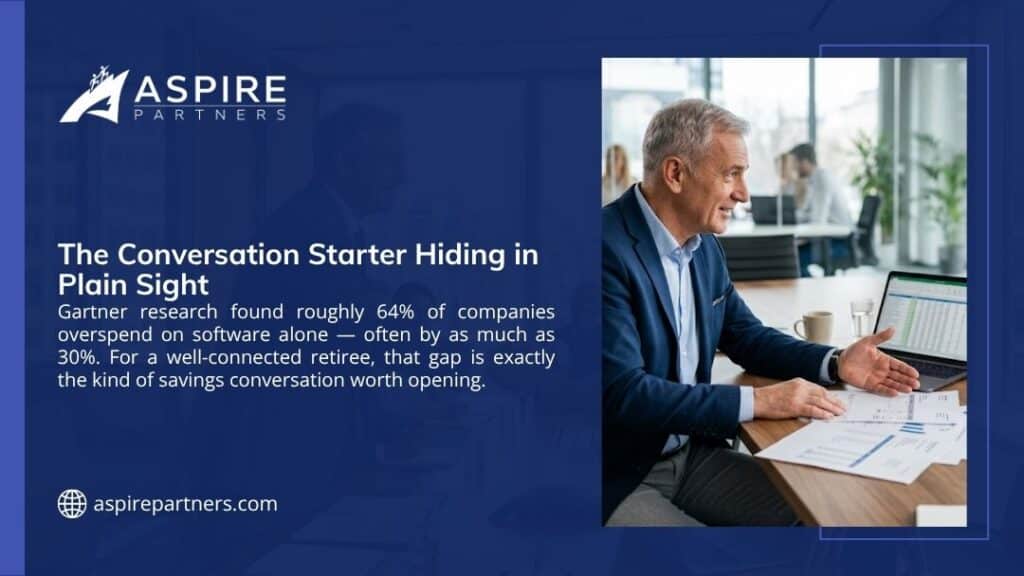
This might work for you if people already trust your judgment. If you can think of companies that may be overpaying for software, healthcare plans, logistics, payment systems, vendor contracts, or other operating expenses, your network may have more value than you think.
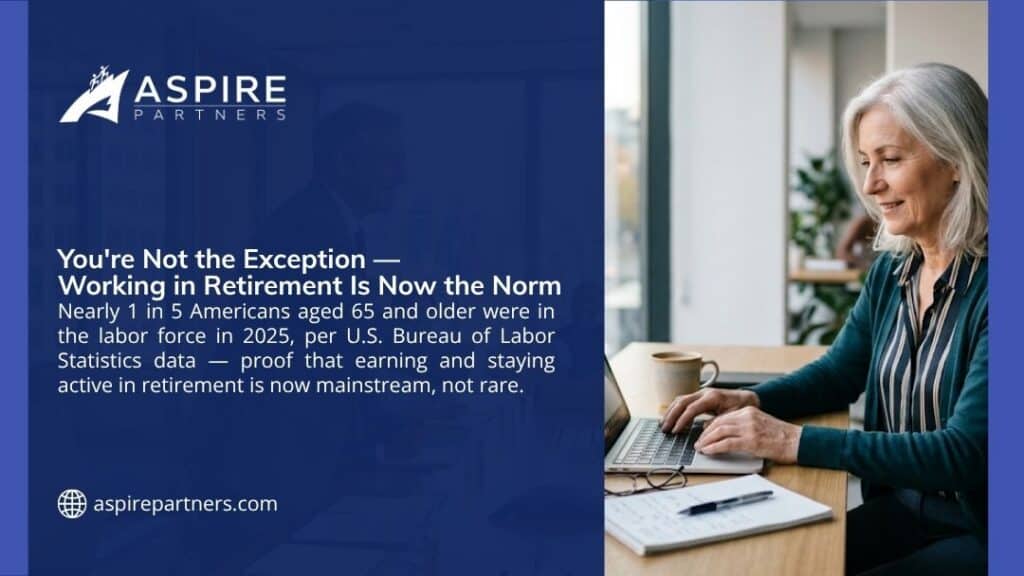
Flexible Retirement Jobs That Keep You Moving
Not every retiree wants laptop work. Some people feel better when they leave the house, talk to people, and stay on their feet for part of the day.
That is where active retirement jobs can make sense. Substitute teaching, tour guiding, school bus driving, event usher work, pet sitting, sports officiating, seasonal park work, and community center instruction can add money and motion at the same time. These roles often have a social benefit, too. You meet people. You have somewhere to be. You get a little structure without going back to corporate life.
The right job depends on your body and patience. A school role may fit someone who enjoys kids and routine. A tour guide role may fit someone who loves local history. Pet sitting may work for someone who likes walking and does not want a boss. Event work may suit a person who wants short shifts and a lively environment.
There is no shame in choosing simple work after a high-level career. Sometimes the beauty of retirement jobs is that you can leave the work at work. No late-night emails. No performance reviews. No endless strategy deck. Just a useful role, a few extra dollars, and a reason to stay active.
Still, pay attention to the tradeoff. A job that drains your back, knees, sleep, or mood is not a good retirement strategy. The whole point is to support retired life, not wear it down.
Work-From-Home Jobs for Seniors Over 60
Remote work can be a good fit for retirees who want income without a commute. It also works well for people who care for a spouse, live far from a major job market, or prefer quieter days at home.
Work-from-home jobs for seniors over 60 often include bookkeeping, customer support, tutoring, writing, editing, online teaching, virtual assistance, scheduling, coaching, consulting, and administrative support. Some roles pay hourly. Others pay by project. A few can become small businesses if demand grows.
| Remote role | Good fit for | Why it works in retirement |
| Consultant | Former executives and specialists | Uses career experience without full-time hours |
| Online tutor | Retired teachers or skilled professionals | Flexible and purpose-driven |
| Writer or editor | Industry experts and strong communicators | Turns knowledge into income |
| Customer support | Patient people who enjoy helping others | Predictable part-time structure |
| Bookkeeper | Finance and admin professionals | Detail-focused and often remote |
| Virtual assistant | Organized retirees | Flexible support for small businesses |
Remote work has one hidden risk: isolation. A home-based role can be convenient, but it may not keep you socially active unless you build that into the week. If your goal is both income and connection, pair remote work with a walking group, volunteer shift, local class, or business networking event.
Remote work also requires scam awareness. Be careful with jobs that ask for money upfront, promise high pay for almost no effort, or want sensitive personal information too early. Real work has clear duties, realistic pay, and a company you can verify.
Turn Hobbies Into Retirement Income Without Ruining the Fun
Hobbies can bring in money, but they need careful handling. A hobby that brings joy can turn sour fast when every project has a deadline, a customer, and a price tag.
Still, many retirees do well with hobby income because they already have skill and patience. Gardening, woodworking, photography, cooking, quilting, art, music, writing, and home repair can all become small income streams. You might teach a class, sell a few pieces, run a workshop, write a guide, offer lessons, or help neighbors with a skill they do not have.
The trick is to keep control. You do not need to turn every interest into a full business. You can accept a few paid projects a month. You can sell at one local market instead of every weekend. You can teach one class instead of building a course empire. In retirement, the best investment of your energy is often the one that still leaves room for rest.
Hobby income works best when the numbers are simple. Track material costs, travel time, platform fees, taxes, and the hours involved. If a hobby earns money but eats every spare afternoon, it is not as profitable as it looks. If it brings joy, social contact, and a little cash, that may be enough.
Build Passive or Residual Income in Retirement
The phrase “passive income” gets tossed around too easily. Most income called passive is not truly effortless. Rental properties need upkeep. Dividend investing needs capital and patience. Royalties need a product. Annuities require careful planning. Even referral-based residual income usually starts with conversations, trust, and follow-up.
But retirement is exactly the time to think about income that is not tied hour-for-hour to your labor.
Passive or residual income can come from several places. Rental income may come from real estate. Investment income may come from dividends, bonds, retirement income funds, or other investment options for retirement. Royalties may come from books, music, courses, or licensing. Residual income may come from business referrals, introductions, or contracts that continue after the first action.
Aspire Partners fits into the residual income conversation because its model is built around verified business savings. A retired professional introduces a company that may be overspending. Aspire and its vendors review the opportunity. If savings are found and implemented, the professional may participate in the outcome for the life of the contract. This is why Aspire often describes the model as a business model that can pay for years.
That does not mean guaranteed income. No serious retirement guide should promise that. It means the structure is different from hourly work. Instead of earning only when you clock in, the goal is to create value through a good introduction and let the savings relationship produce long-term compensation when it works.
For retired connectors and networkers, this can help you stay useful without taking on a traditional job. It also allows you to help companies reduce waste, which can be a strong reason to start conversations with people you already know. Retirees who naturally connect people can learn more about how connectors and networkers can earn passive income through relationship-based opportunities.
Stay Physically Active While You Earn
Money is only one part of retirement. Health carries the rest. The CDC says adults age 65 and older need at least 150 minutes of moderate-intensity aerobic activity each week, at least two days of muscle-strengthening activity, and balance-focused activity. In plain terms, that means walking, lifting, stretching, steady movement, and work that keeps the body from sitting all day.
The CDC also says, “Physical activity is one of the most important things you can do for your health.” That line is worth taking seriously in retirement because a work choice can either add motion to your week or quietly remove it.
A part-time local job can help you walk more. Pet care gets you outside. Teaching a class keeps you standing and talking. Event work keeps you moving in short bursts. Even business introduction work can keep you active if you schedule coffee meetings, attend local events, and stay involved in your professional community.
A retirement job should not replace exercise, but it can support the habit. If a role gets you out of the house, adds steps, gives you a reason to dress and show up, and keeps your mind alert, that is more than income. That is part of a healthier retirement lifestyle.

How to Save Money While Earning More in Retirement
Making money after retirement helps, but saving money still matters. A dollar not wasted gives you the same breathing room as a dollar earned, and sometimes it is easier to find.
Start with the expenses that repeat quietly. Subscriptions, insurance, phone plans, software, utilities, unused memberships, credit card fees, and service contracts can all leak money. Review them twice a year. Ask whether each bill still earns its place. If it does not, cut it or renegotiate.
This habit matters for households, and it matters for companies too. Aspire Partners is built on the idea that many businesses overpay for essential services without realizing it. The company connects businesses with cost-savings services for businesses across categories such as technology, wellness programs, logistics, healthcare revenue cycle management, lending solutions, and accounts payable automation.
For retirees, the same principle applies at home. Do not let new income disappear into casual spending. Pay yourself first. Move a set percentage of any new earned income into savings before it reaches your checking account. That may go into a personal savings plan, emergency fund, retirement investment account, or another safe place based on your financial advice.
If you are asking, “How could you make sure that you are paying yourself first regularly and building up your savings?” the answer is automation. Set the transfer once. Keep it modest enough that you can stick with it. Then review it monthly. Savings success usually comes from plain habits repeated long enough to matter.
The Best Retirement Income Ideas by Personality Type
A long list of retirement ideas can feel helpful at first, then confusing five minutes later. The better move is to choose based on who you are, not just what pays.
| Retiree type | Best income ideas | What to avoid |
| The retired executive | Consulting, advisory work, Aspire introductions, board roles | Low-paid work that wastes career capital |
| The social connector | Business introductions, community roles, event work | Isolated remote work |
| The homebody | Remote customer support, writing, tutoring, bookkeeping | High-commute jobs |
| The active retiree | Tour guide work, pet care, substitute teaching, seasonal jobs | Sedentary desk work |
| The creative retiree | Classes, crafts, photography, writing, digital products | Too many custom orders |
| The income-focused retiree | Part-time work, consulting, rental income, residual income | Unverified “easy money” schemes |
This is where retirement advice gets personal. A retired person who loved people-facing work may struggle with remote data entry. Someone who spent years in operations may enjoy helping companies find better systems. A former teacher may feel at home tutoring. A retired business owner may enjoy opening doors for cost-savings conversations but have no desire to manage another team.
The best retirement income idea is the one you can repeat without resentment. If it protects your health, respects your schedule, and uses your strengths, it has a better chance of lasting.
Is a Relationship-Based Business Opportunity Right for You?
A relationship-based business opportunity is not for everyone. It works best for people who have trust, not just contacts.
That may include retired executives, former business owners, consultants, advisors, fractional leaders, sales professionals, HR leaders, finance leaders, and people who have spent years around company decision-makers. If you know how to start a thoughtful business conversation, and you care about protecting your reputation, this type of model may feel more natural than cold selling. If you are still deciding, our breakdown of what to launch after retiring without rent, staff, or inventory lays out seven alternatives.
Aspire Partners works nationwide across the USA, which makes the model flexible for retirees who have business relationships in different states or industries. The opportunity is not tied to one narrow market. Companies in nearly every industry have operating expenses, and many of them may be overpaying for services they use every month.
Aspire Partners is a strong example because the professional’s role is simple. You identify a business that may be overpaying for operational expenses. You make an introduction. You help start or book a discovery call. Aspire’s specialists handle the rest. The business only moves forward when savings make sense, which makes the conversation value-based instead of pushy.
For retirees who want business ideas for retirees that use your network, this route can be more appealing than a franchise, a full consulting practice, or a traditional part-time role. It allows you to monetize your professional network without building a new office, hiring employees, or learning a technical cost-reduction process from the ground up.
That said, you should still treat it like a real business decision. Read the details. Understand the compensation model. Ask how long savings contracts usually take to activate. Review real stories from Aspire Partners. Then decide whether the model fits your network, personality, and retirement goals.
What to Watch Before You Earn Money After Retirement
Extra income can help your retirement, but the wrong opportunity can create stress, tax problems, or wasted time.
Be careful with any offer that promises guaranteed income, no effort, or instant results. Be careful with vague contracts. Be careful with roles that require large upfront payments without clear value. Be careful with jobs that want your Social Security number, banking details, or identity documents before you have verified the company.
Taxes also deserve attention. Earned income, rental income, investment income, and withdrawals from retirement accounts can affect your tax picture. Some income can also affect Medicare premiums or the taxation of Social Security benefits. That does not mean you should avoid income. It means you should plan before the money starts.
Health matters too. A job that looks easy on paper can be too hard on your body. A remote role can protect your knees but hurt your social life. A consulting project can pay well but drag you back into full-time stress. Retirement financial planning and lifestyle planning should work together.
The safest path is usually steady, clear, and reputation-friendly. Choose income options you understand. Keep good records. Ask for advice when taxes or benefits are involved. And never let a side income idea steal the peace you worked so long to earn.
Frequently Asked Questions About Earning Money in Retirement
What types of income can you use in retirement to support yourself?
Retirement income can come from Social Security benefits, pensions, retirement savings, retirement account withdrawals, dividends, annuities, rental income, part-time work, consulting, business income, royalties, and residual income. The right mix depends on your age, savings, health, tax situation, and lifestyle goals.
Can you retire at 62 and still work?
Yes, you can retire at 62 and still work, but Social Security rules matter if you claim benefits before full retirement age. If your earned income goes above the annual limit before you reach full retirement age, some benefits can be withheld. Once you reach full retirement age, there is no earnings limit for Social Security benefits.
What are the best jobs for retired people who want to stay active?
Good retirement jobs for people who want to stay active include substitute teaching, tour guiding, pet sitting, event work, school bus driving, coaching, community center instruction, seasonal park work, and local customer-facing roles. The best choice depends on your physical ability, patience, schedule, and income needs.
What is the best way to earn money in retirement without a full-time job?
The best way depends on your background. Former executives may prefer consulting or business introductions. Teachers may like tutoring. Detail-focused retirees may choose bookkeeping. Social retirees may enjoy local part-time work. Well-networked professionals may prefer a relationship-based model such as Aspire Partners, where their main role is making introductions while Aspire handles the savings process.
How can you pay yourself first and build savings regularly?
Set an automatic transfer from any new income source into a savings or investment account before the money reaches everyday spending. Start with a small percentage if needed. The key is consistency. A simple monthly review can help you track savings success and adjust as income changes.
How do you avoid scams when looking for retirement jobs or side hustles?
Avoid offers that promise high income with no real work, pressure you to act fast, or ask for sensitive personal details too early. Check the company, read the agreement, search for complaints, and ask direct questions about pay, duties, fees, and timelines. A real opportunity should survive careful review.
Make Retirement Active, Useful, and Worth Your Time
Learning how to stay active and earn money in retirement is not about filling every hour. It is about choosing work that gives more than it takes.
For some retirees, that means a few local shifts each week. For others, it means remote work, consulting, hobby income, rental income, or safe investment income. For experienced professionals with strong business relationships, it can mean introducing companies to cost-savings opportunities through Aspire Partners and building potential residual income from the relationships they already have.
Retirement should not force you back into the same old grind. You have experience. You have judgment. You have relationships. Used well, those assets can help companies, support your family, and keep you connected to work that still feels useful.
If you spent your career building trust with business owners, executives, or company decision-makers, retirement does not have to mean leaving that value behind. Aspire Partners gives you a way to turn those relationships into savings conversations that can help companies and potentially create residual income for your family. Start by reviewing Aspire’s opportunity model, then contact the Aspire team to see whether your network is a fit.