

The best business to start after retirement with no overhead is usually not the one with the biggest revenue promise. It is the one that uses skills or relationships you already have, fits the hours you actually want to work, and does not require inventory, employees, or a commercial lease. Strictly speaking, very few businesses have zero overhead. The more useful target is low ongoing cost, limited financial exposure, and enough flexibility to leave room for retirement.
What “No Overhead” Really Means After Retirement
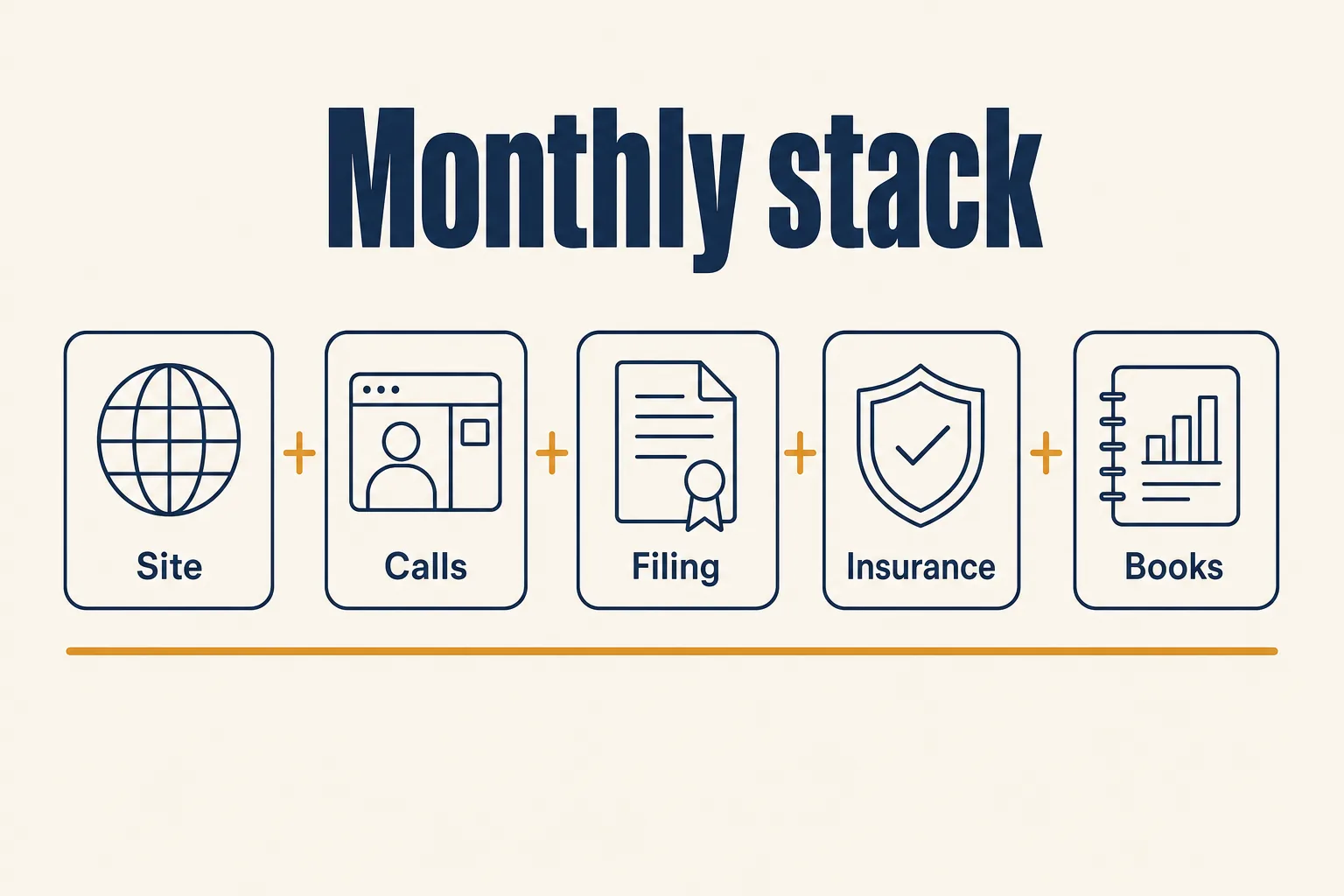
In practice, “no overhead” usually means no lease, inventory, employees, or specialized equipment. It does not mean literally free: software, phone and internet, insurance, taxes, licenses, payment processing, marketing, and professional advice may still apply.
More common is low overhead with recurring costs: a domain and simple site, video call software, an LLC filing fee, liability coverage, and perhaps accounting software. Small on their own, but together they add up to a monthly bill that starts before your first client does.
Two costs get underestimated. Your own hours, which are genuinely scarce now. And reputation risk: when you work with people who know your career, a bad recommendation costs more than money.
A better test is: can you test the model without committing retirement savings or taking on a fixed obligation before demand is clear?
Why Retired Professionals Start With an Advantage

People ages 55–64 represented more than one in five new U.S. entrepreneurs in 2021, according to the Kauffman Foundation’s entrepreneurship research. That is not a guarantee of success; it does show that starting a business later in life is an established path.
A long career can give you industry fluency, pattern recognition, and relationships that may take a new entrepreneur years to build. You also know which companies run lean and which ones quietly waste money, because you sat in those meetings.
For most people leaving a long career, structure and purpose matter about as much as income. Work built on trust you already have holds up better than work that starts from zero.
Seven Low-Overhead Businesses to Consider After Retirement
1. Independent consulting in your former industry
Strongest fit if you held a manager, director, or C-suite seat. Typical setup costs may include a laptop, software, professional insurance, and client acquisition. The trade-off is that revenue usually remains tied to ongoing client work unless you build retainers, group programs, or other repeatable offers.
2. Executive and career coaching
Good if you enjoyed developing people more than doing the technical work. Referrals and group formats can help, but building a client base usually takes time. Consider whether you want one-to-one sessions, group programs, or a repeatable course.
3. Bookkeeping and fractional finance
A natural landing spot for retired controllers, CFOs, and accountants. Monthly retainers can make revenue more predictable, but common costs may include accounting software, secure data handling, insurance, taxes, and client acquisition.
4. Freelance writing and editing
Technical and industry knowledge can help you stand out from general writing. The starting cost can be low, and the work can be remote, but editing tools, a portfolio, marketing, and deadlines still shape the business.
5. Tutoring and skills teaching
Video platforms may offer free tiers, but paid features, teaching materials, licensing, or insurance may apply. Former educators and subject-matter experts can consider private lessons, group classes, or workshops. Income is capped by hours and swings with the school calendar.
6. Pet sitting, house sitting, and home check-ins
Local and low-tech, these services may offer relatively quick work, but the downsides include physical demands, travel, insurance, and a schedule shaped by other people’s needs.
7. Cost reduction partnering
You spot businesses that are likely overpaying on software licenses, healthcare plans, shipping, telecom, or vendor contracts, then introduce them to a team that audits those costs. Your role is the introduction, not the pitch: you ask whether the business is open to a conversation.
Aspire Partners and its vendors handle the applicable audit, analysis, presentation, contracting, and implementation. Qualifying referrals may generate compensation under applicable program terms. Eligibility, compensation, and duration vary by service, account, and agreement. For more context, see business ideas for retirees that leverage your network.
Comparing the Options: Setup Burden, Work Pattern, and Revenue Pattern
| Option | Typical setup burden | Illustrative weekly commitment | Typical revenue pattern |
|---|---|---|---|
| Consulting | Low; tools, insurance, and marketing may apply | 10–25 hours when active | Usually tied to delivered client work |
| Coaching | Low; scheduling, marketing, and insurance may apply | 8–20 hours when active | Usually tied to sessions or packages |
| Bookkeeping | Software, secure data handling, and insurance may apply | 10–20 hours depending on clients | Potentially recurring retainers |
| Writing | Low; portfolio, tools, and marketing may apply | Flexible and deadline-driven | Usually project-based |
| Tutoring | Low; materials, platform features, and insurance may apply | 5–15 hours depending on schedule | Session- or class-based |
| Pet/house sitting | Low; travel, insurance, and local requirements may apply | Variable and booking-driven | Booking-based |
| Cost reduction partnering | A program fee applies; review current terms | Variable; introduction and follow-up based | Qualifying accounts may generate recurring compensation while applicable terms are met |
The weekly commitments above are illustrative planning ranges, not published benchmarks or promises. Actual costs, hours, and revenue depend on your experience, market, offer, and agreement terms.
Rates vary widely by industry, experience, offer, and market, so a general online rate benchmark would not predict what you can charge.
Startup cost alone is not enough: at 60, the work pattern, physical demands, and whether revenue can continue beyond a single assignment may matter just as much.
Taxes, Benefits, and Business Setup to Check Before You Start
Several things deserve a conversation with your accountant before the first dollar arrives.
If you’re claiming Social Security before full retirement age, review how the earnings test may apply to your work income. The Social Security Administration’s guidance explains the current rules and limits.
If you are self-employed, income tax and self-employment tax may apply, and you may need to make estimated quarterly payments. The IRS self-employed tax center explains the general obligations.
Higher income can also affect Medicare premiums through IRMAA, an income-related monthly adjustment amount. The 2026 Medicare Costs fact sheet explains how Medicare uses income from two years earlier for this calculation.
Do not assume a sole proprietorship or LLC is automatically the best choice. Business structure, licensing, insurance, and tax obligations depend on your activity and state, so review them with a qualified tax or legal professional before operating.
This section is general information, not individualized tax, Social Security, Medicare, legal, or financial advice.
A Four-Question Filter
1. How many hours a week do you honestly want to work? The real number, not the ambitious one.
2. Do you want to do the work yourself, or connect the people who do it?
3. Do you prefer payment for work you personally deliver, or a model where qualifying accounts may generate recurring compensation under applicable terms?
4. Would you put your name next to this in front of a former colleague?
Question four eliminates more options than the first three combined, and it should.
Your First 30 Days
Week 1: List the people, skills, and business problems you understand well enough to build around. If you are considering a referral model, identify contacts only where a relevant, permission-based conversation would make sense.
Week 2: Pick one lane. Write one plain sentence describing what you help with.
Week 3: Set up the minimum: business email, a simple profile or landing page, a calendar link. Resist buying more.
Week 4: Have five real conversations, not five pitches.
Track every dollar you spend, so you can see whether the low-overhead claim stays true.
A Closer Look at Cost-Reduction Partnering
Cost-reduction partnering is a low-overhead, introduction-focused model for experienced professionals who want to connect businesses with specialist providers. Aspire Partners Pro is currently listed at $97 per month.
Aspire Partners connects businesses with cost-reduction and recovery solutions across areas such as technology, healthcare, shipping, and business operations. Review the Aspire Partners business cost-reduction services before deciding whether the model fits your experience and contacts.
A partner identifies a possible fit, asks whether the company is open to a conversation, and makes an introduction. You can learn more about how a business savings audit works before deciding whether this type of work matches your background. Aspire Partners and its vendors handle the applicable audit, analysis, presentation, contracting, and implementation.
Many business-facing solutions are described as having no upfront cost, with fees tied to savings or recovery where applicable. The Pro membership is separate from those client-facing arrangements, and partner compensation is not guaranteed.
Aspire Partners Pro provides tools, scripts, training, live expert support, and an introduction workflow. Review the current program terms before joining.
Before You Join a Paid Partner Program
Check the monthly cost, whether you will operate as an independent contractor, how compensation is calculated, which account conditions apply, and what happens if an agreement ends. Aspire’s current program terms describe a commission-based compensation framework subject to the agreement; recurring compensation is not the same as guaranteed or passive income.
Frequently Asked Questions
Related readingHow to Monetize Your Professional Network in 2026 Without SellingRead the guide →Frequently asked questions
What Is the Best Business to Start After Retirement With No Overhead?
What Does “No Overhead” Mean for a Retirement Business?
How Do I Choose a Low-Overhead Business After Retirement?
Which Retirement Businesses May Offer Recurring Revenue?
Do I Need an LLC, License, or Insurance?
Can Business Income Affect Social Security or Medicare?
A Practical Next Step
If cost-reduction partnering fits your experience and relationships, Get Started with Aspire Partners Pro to review the current $97/month program, U.S. eligibility, and applicable terms.