

Your network took years to build, and every introduction borrows a little credibility from it. A good referral partner program adds to that credibility. A sloppy one drains it. The difference shows up in the answers you get before you sign anything, so run the interview in both directions. They are evaluating you. Evaluate them just as carefully.
Before you join, get clear written answers about your responsibilities, fees, compensation, referral tracking, contract terms, support, and what happens to the relationship after handoff.
First, Get Clear on What a Referral Partner Actually Does
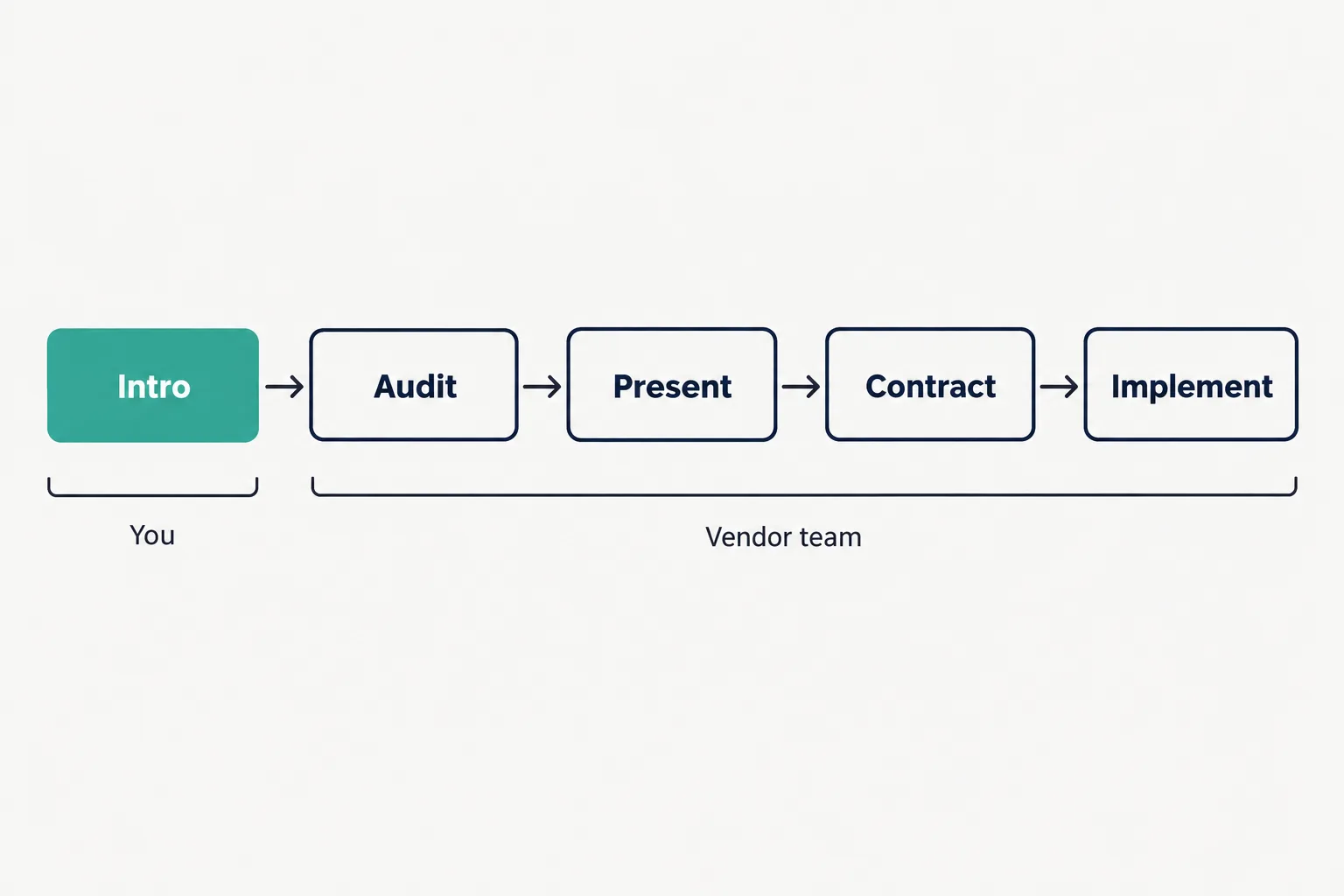
A referral partner generally connects a potential customer with a provider and may have a limited role after the introduction. But titles such as “referral partner,” “affiliate,” “agent,” or “reseller” are not used consistently, so rely on the actual agreement to define the work.
At Aspire Partners, the public website describes the partner’s role as making introductions while Aspire and its vendor network handle audits, analysis, presentations, contracts, and implementation. The current Business Consultant Agreement uses broader language: it appoints the consultant as a sales representative to promote services and describes directly soliciting candidates. Read both and ask Aspire to explain any difference before signing.
A general overview of referral, reseller, and agent program models can help you compare common terms, but the written agreement, not the label, sets your responsibilities.
If you are a consultant, executive, advisor, or fractional CFO, that distinction is the whole ballgame. The questions below test one thing: does this program let you create real value for a business in your network without putting your name behind something you cannot control?
The Eight Questions Worth Asking Before You Sign
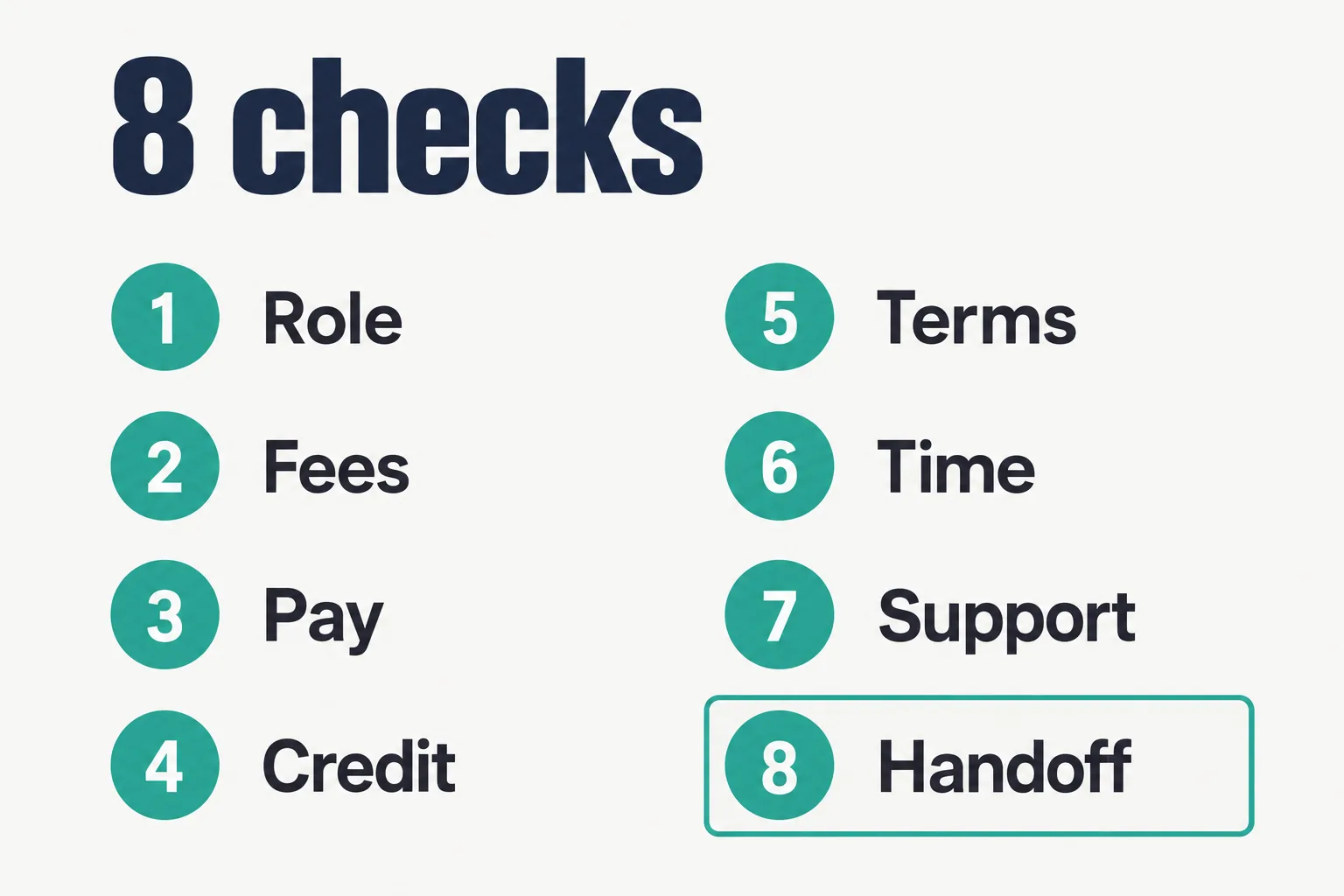
For each one, notice whether you get a specific, repeatable answer or a warm feeling.
1\. What Exactly Is My Role, and Who Does the Selling?
Ask them to walk you through the workflow step by step, from first conversation to signing a contract. Who identifies the opportunity, contacts the prospect, runs an audit, presents findings, negotiates, and implements? Ask what you are expected and permitted to say, whether you may directly solicit a prospect, and which claims you must avoid. Compare the answers with the agreement and approved outreach materials.
2\. What Will the Client Pay, and What Will I Pay to Join?
Separate the client’s costs from your costs as a partner. Ask whether the specific service involves an upfront fee, retainer, implementation charge, or fees tied to savings or recovery, and what the client owes if no savings or recovery is found. Then ask whether the partner program has a membership fee, required purchases, or other participation costs. Do not assume that one service’s pricing applies to every service.
3\. What Triggers Compensation, and When Can It End?
Get the compensation formula, qualifying event, payment schedule, and duration in writing for each service you may refer to. Is payment triggered by a signed agreement, collected revenue, delivered savings, or another milestone? Ask how adjustments, cancellations, refunds, disputes, late customer payments, and termination affect compensation. A recurring payment is not the same as guaranteed or unlimited earnings.
4\. What Counts as a Qualified Introduction, and How Is Credit Tracked?
Ask for the written definition: consent captured, contact reachable, minimum company size or spend. Ask what system logs the introduction and what you can see in the partner portal. Ask about attribution windows. If your contact goes quiet for six months and resurfaces, does credit still hold? If they measure signed contracts and you measure introductions made, you will disagree eventually. Also ask how rejected, duplicate, or incomplete referrals are handled, how status updates are shared, and how you can dispute a missing or incorrect attribution.
5\. What Do the Terms and Restrictions Actually Say?
Ask about exclusivity, territory limits, minimum production requirements, non-solicitation or non-compete language, and what happens to pending referrals if either side terminates. The FTC’s nationwide noncompete rule is not in effect or enforceable; that does not answer how a particular clause applies to you. Have any restriction that could affect your business reviewed under the law applicable to your agreement. Read the agreement before signing.
6\. What Will This Realistically Take?
Ask for an honest weekly hour range and what those hours go toward: conversations, follow-up, portal submissions. Ask whether it fits alongside existing client work or fractional engagements. Then ask what the first 90 days look like, week by week. If the answer is vague or suspiciously light, keep pulling the thread.
7\. What Training, Tools, and Support Come With It?
Ask what onboarding covers, who you can contact when a prospect asks a technical question, and how often specialists are available. Ask whether leads are supplied or whether you are expected to work from your own network. Request a look at the actual training and outreach materials before you join. Aspire Partners says its Aspire Partners Pro program includes tools, scripts, training, and weekly live training and expert calls; confirm what is currently included in your plan.
8\. Who Owns the Relationship After I Hand It Off?
The one that matters most if your network is worth protecting. Ask how the vendor team communicates, how fast they respond, and whether you stay copied. Ask what the follow-up cadence looks like when a company says “not right now.” Ask whether your contact will later be marketed to by unrelated divisions. Clarify who may access the contact’s information, what consent you need before submitting it, and how the provider will use or retain the information.
Answers That Should Make You Slow Down
Vague or shifting answers about who pays, how much, and when. Guaranteed or unlimited earnings language. Urgency to sign. Pressure to recruit other partners instead of serving clients. No written agreement. No clear process for checking provider qualifications, verifying the claimed client value, or explaining how your referral information will be used. Compensation discussed before anyone explains the value delivered to the business.
The FTC Business Opportunity Rule applies only to arrangements that meet its definition; it does not automatically cover every referral partner program. For a covered opportunity, the rule may require a disclosure document at least seven days before the buyer signs a contract or pays. Ask a qualified attorney whether the rule applies to the specific arrangement you are considering.
For a broader overview of the evaluation process, our guide to referral-based business opportunities for professionals pairs well with this checklist.
What Aspire’s Public Pages Say, and What to Verify
Aspire’s website describes its model as connecting businesses with providers for services that may reduce costs, recover funds, improve benefits, or address operational needs. Its service menu includes areas such as technology, software and SaaS, healthcare revenue cycle management, employee benefits, shipping and logistics, accounts payable, commercial payments, business capital, legal services, identity protection, and vendor contracts. Service scope and eligibility can differ, so check the current Aspire service list for the specific opportunity.
Aspire says many cost-reduction and recovery solutions have no upfront cost to the client, with fees tied to savings or recovery. Do not treat that as a promise for every service. Confirm the client’s fees and the partner’s compensation terms for the particular service before making an introduction.
The homepage currently lists Aspire Partners Pro at $97 per month or $997 per year, with the first 30 days included. This is a partner-program membership price, separate from any client service fees and any compensation you may earn. Check the current Aspire Partners agreement before relying on the price.
Aspire’s homepage says compensation may be paid monthly when savings are delivered and describes some payments as lasting for the life of a contract. The public Business Consultant Agreement also points to service-specific compensation schedules and conditions. Ask which schedule applies to you, how termination affects pending referrals, and what the applicable agreement says about continuing payments.
The public sign-up page says Aspire Partners is currently available to U.S. residents. Ask whether the specific service you are considering is available to the business you plan to refer, since partner eligibility and service coverage are not necessarily the same thing.
Testimonials can offer individual experiences, but they do not establish typical results or guarantee earnings. Review Aspire’s testimonials alongside the written terms and ask for information relevant to the specific service.
Frequently asked questions
Are referral partner earnings guaranteed?
Does every referral qualify for payment?
Can I join Aspire Partners if I live outside the United States?
Ask Us These Same Questions
Bring this checklist to your review of the program and its written terms. If you need clarification about Aspire’s services or partner program, contact us to get in touch.